Shifts in User Behavior Patterns During Simultaneous Access to Sports Forecasts, Racing Streams, and Card Game Lobbies in Mobile Settings
Otto Zimmermann · Oct 2, 2026
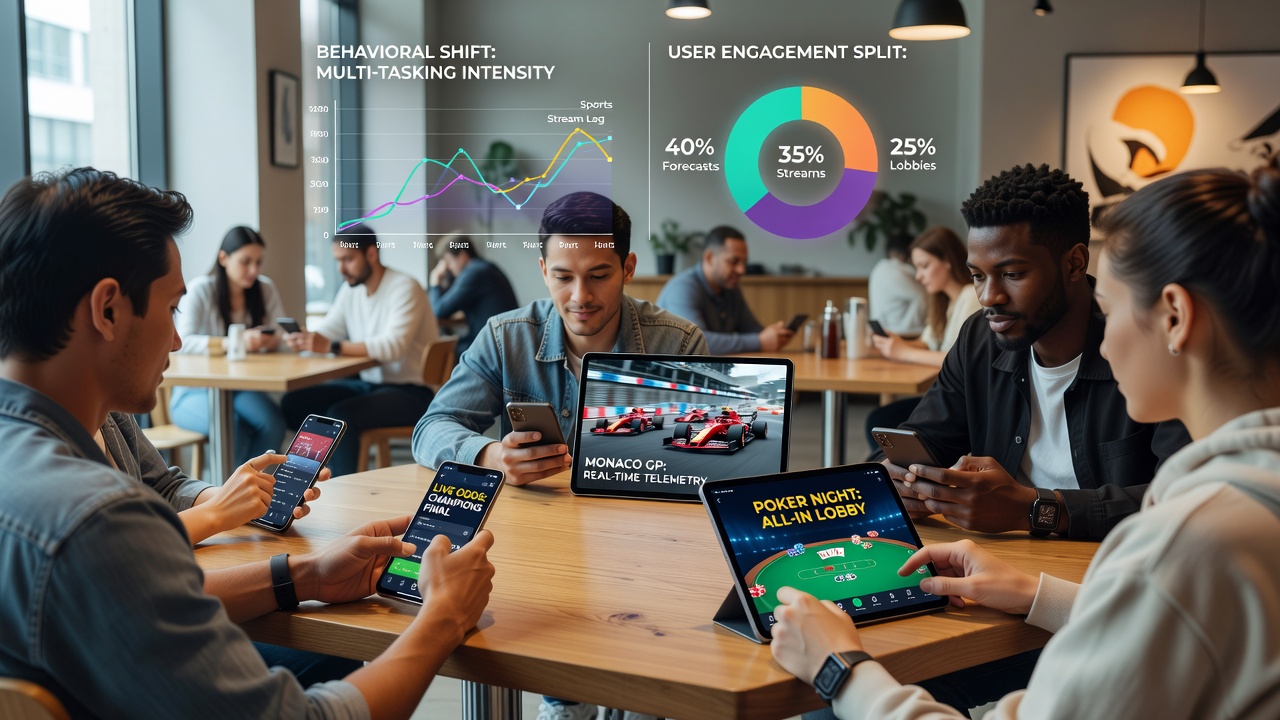
Shifts in User Behavior Patterns During Simultaneous Access to Sports Forecasts, Racing Streams, and Card Game Lobbies in Mobile Settings
Users navigate multiple features at once on mobile platforms, where sports forecasts sit alongside live racing streams and card game lobbies in a single session. Data collected through app analytics in 2026 shows that simultaneous access has become common, with average session lengths extending when all three elements remain open. Researchers tracking behavior across Nordic and North American markets noted that participants switched between predictive tools, video feeds, and table interfaces without closing any window, and this pattern held steady through October 2026.
Patterns of Feature Switching
App telemetry reveals that individuals move between sports forecasts and racing streams first, then open card lobbies during breaks in play, while the time spent in each area varies by time of day. Morning hours see heavier use of forecast tools for upcoming matches, whereas evening periods bring longer stays in racing streams that run parallel to poker tables. Studies compiled by the Victorian Responsible Gambling Foundation indicate that these transitions occur every four to seven minutes on average, and the frequency increases when push notifications arrive from any of the three modules.
Device and Interface Factors
Screen size and touch controls shape how people arrange the windows, with larger phones allowing side-by-side views of a forecast panel and a racing feed while a minimized lobby stays accessible via swipe. Smaller devices force more stacking, yet users still keep all three active by cycling through recent apps rather than exiting. Network latency data from October 2026 sessions showed that smoother connections correlated with longer periods of simultaneous use, because dropped streams prompted fewer closures of the other features.
Time Allocation and Engagement Metrics
Usage logs demonstrate that time spent on forecasts drops once a race begins, yet the forecast tab remains open for quick reference between hands at the card table. Card game lobbies record the highest number of micro-interactions when a user monitors a race in the background, because betting rounds in poker often align with race intervals. Figures from the Nevada Gaming Control Board analytics program reveal that combined sessions lasting over thirty minutes grew by noticeable margins in markets where integrated mobile apps first launched these three features together.
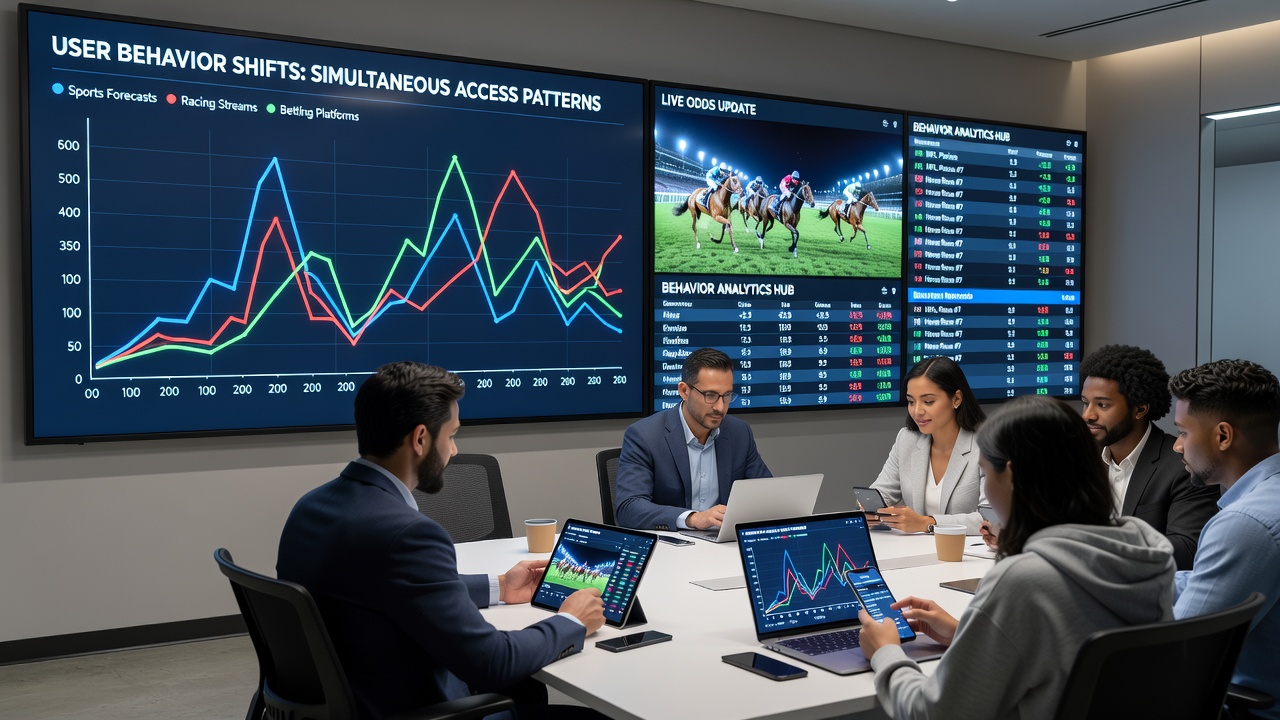
Notifications play a clear role in pulling attention back to one module while the others stay visible. A forecast update about odds movement can interrupt a card session, yet the user returns to the lobby after checking the alert, and the racing stream continues without restart. Observers tracking these flows in October 2026 found that notification-driven returns accounted for roughly one third of all switches between the three areas.
Regional Differences in Multitasking Habits
European markets display steadier cycling between features compared with some North American states, where users tend to focus longer on racing streams once they open. Australian datasets show higher card lobby activity during live sports events, possibly because time zones allow overlapping schedules. These variations appear tied to local event calendars rather than platform design alone, and cross-border comparisons continue to refine how operators adjust default layouts.
Impact on Session Continuity
When all three elements remain accessible, total session duration extends because users avoid full exits while waiting for the next race or hand. Platform records indicate that closing any single window mid-session often leads to shorter overall time online, whereas keeping the trio active supports repeated brief returns. This continuity shows up most clearly in logs where background audio from racing streams accompanies silent card play and occasional forecast checks.
Conclusion
Behavioral data gathered through mobile platforms demonstrates consistent patterns of simultaneous access across sports forecasts, racing streams, and card game lobbies. The shifts appear driven by notification timing, device capabilities, and regional event overlaps, with measurable effects on session length and feature switching rates. Continued monitoring through late 2026 will clarify whether these habits stabilize or evolve further as interfaces improve.