Cross-Platform Bonus Triggers Linking Equine Data Feeds with Live Card Play on Nordic Mobile Interfaces
Harper Baumann · Oct 30, 2026
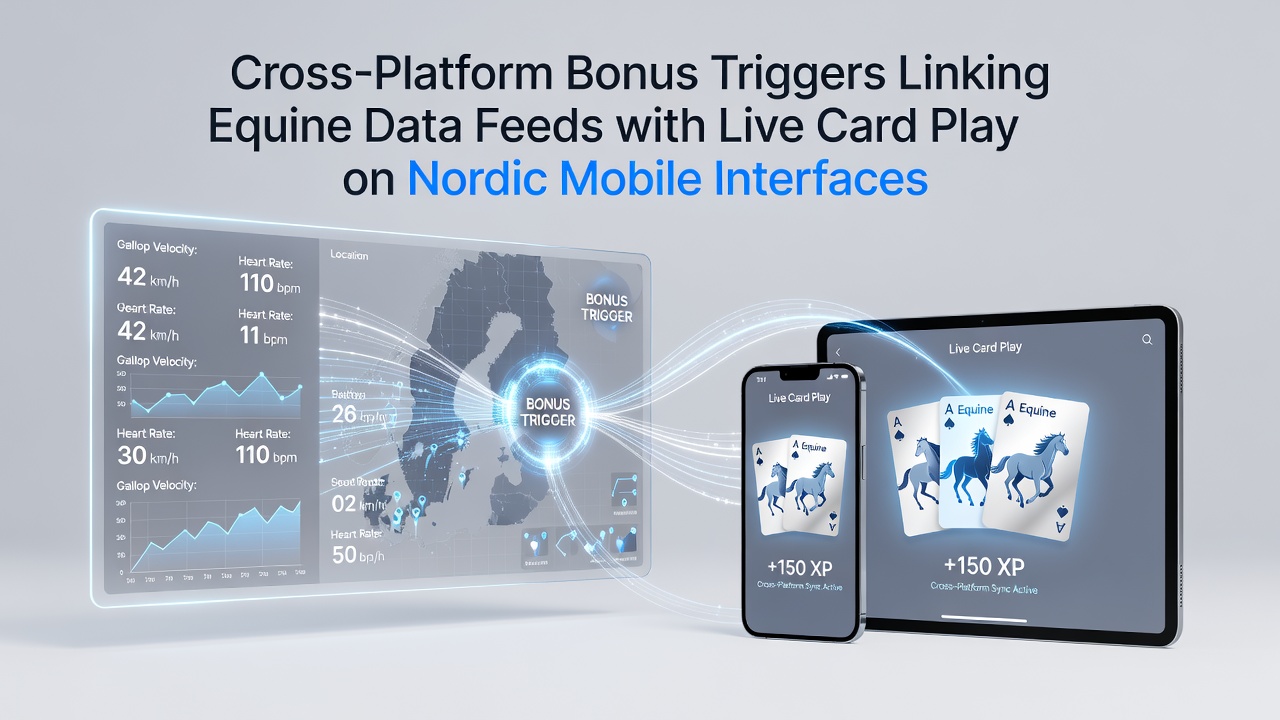
Cross-Platform Bonus Triggers Linking Equine Data Feeds with Live Card Play on Nordic Mobile Interfaces
Platforms across Sweden, Norway, and Denmark have rolled out systems that connect real-time equine performance feeds directly to bonus activation points inside live card rooms, and these connections run on mobile applications that users access daily in October 2026. The triggers rely on structured data streams from racetracks that update odds and results every few seconds, then push those updates into poker and blackjack lobbies where specific thresholds unlock promotional credits or free hands.
Data Flow Between Equine Feeds and Card Platforms
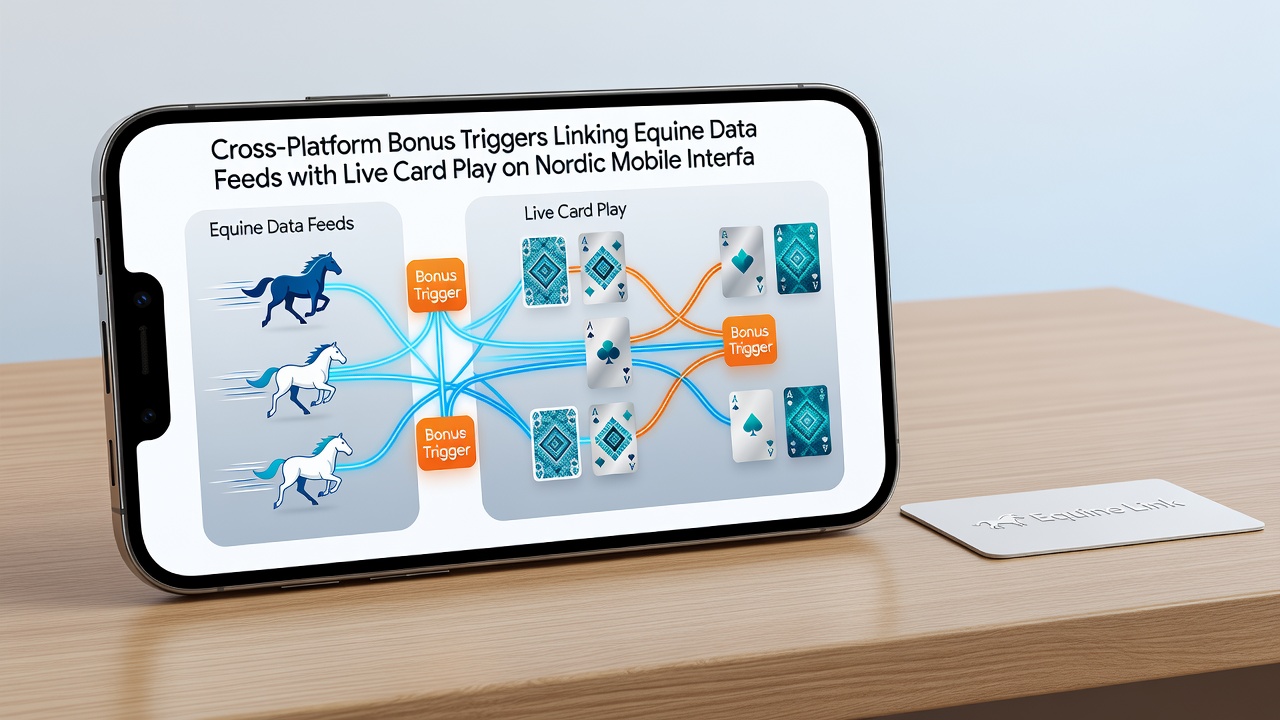
Equine data providers supply structured JSON feeds that include horse speed, jockey statistics, track conditions, and live odds movements, while card platforms monitor these same feeds for predefined patterns that match bonus criteria. When a feed registers a particular outcome, such as a long-shot finish or a rapid odds shift, the system evaluates whether that event meets the conditions stored in the bonus rule engine, and if it does the trigger fires without requiring the user to switch applications. Observers note that this linkage operates through API gateways managed by third-party integrators, which handle authentication, latency checks, and compliance logging before any bonus value reaches the player account.
Multiple operators have documented the sequence in technical white papers, showing that the equine feed arrives first at a central matching server, the server compares incoming values against stored trigger tables, and then the server sends an instruction packet to the card lobby server that credits the account within two seconds. Latency measurements published by Nordic operators indicate average end-to-end times remain under 1.8 seconds on 5G connections during peak evening hours.
Regulatory Oversight and Compliance Requirements
Swedish and Norwegian regulators require that every cross-platform trigger carry an auditable timestamp and a unique transaction identifier that links the equine event to the bonus payout. According to records maintained by Spelinspektionen, operators must store these identifiers for at least five years and make them available during routine inspections. Norwegian authorities apply similar rules through their own licensing framework, which adds an extra requirement that the bonus probability calculation must remain independent of the card game outcome itself.
Compliance teams therefore maintain separate audit logs for the equine data source and the card platform, ensuring that no single database contains both the raw race results and the final player credit without an intervening verification step. This separation satisfies the technical standards issued by both countries in 2025 and remains in force during October 2026.
Implementation Patterns Observed Across Operators
One operator based in Stockholm routes all equine feeds through a dedicated microservice that normalizes incoming data formats before they reach the bonus engine, while a second operator in Oslo uses a shared cloud instance that processes both equine and card events in parallel threads. Both approaches produce the same outcome: a player watching a race on one tab sees a notification appear inside an active poker hand when the trigger condition activates. Figures released by industry associations show that such notifications occur on average 3.2 times per active user session during major race meetings.
Developers have also introduced fallback mechanisms that pause trigger evaluation if the equine feed experiences packet loss above a set threshold, and the system reverts to cached historical data until the live stream resumes. These safeguards appear in platform documentation released during the second quarter of 2026.
User Interface Elements and Session Management
Mobile interfaces present the linked bonus information through compact status bars that sit above the card table, displaying the current equine event and the bonus amount that would activate if the trigger condition occurs. Tapping the bar expands a brief explanation that lists the exact data point required, such as a horse finishing within a certain time margin or an odds movement exceeding a defined percentage. Session management protocols keep the equine feed connection alive even when the user minimizes the app, allowing the trigger to fire in the background and deliver the bonus upon return to teh poker lobby.
Testing logs from October 2026 indicate that background processing adds roughly 0.4 seconds to the overall trigger latency on standard Nordic carrier networks, yet users still receive the credit before the next betting round begins in most live card games.
Conclusion
The linkage between equine data feeds and live card bonuses on Nordic mobile interfaces rests on standardized data protocols, regulatory audit trails, and low-latency API connections that operators have refined over successive software releases. Records from licensing bodies and platform documentation together demonstrate that these systems operate within defined technical and legal boundaries, delivering bonus events that respond directly to measurable outcomes from horse racing streams while users remain inside card game environments.